Tire Service: The Effect of Weather
When it pertains to guaranteeing optimal performance and safety when driving, recognizing the impact of climate condition on tire solution is vital. From scorching warm to icy roads, each climate aspect can significantly affect tire functionality and overall driving experience. By delving right into the effects of varying weather condition conditions on tires, drivers can get important insights that may boost their car's efficiency and durability. In this conversation, we will explore the detailed connection between climate conditions and tire solution, clarifying the importance of weather-specific tire upkeep practices and considerations.
Heat and Tire Performance
When subjected to high temperature levels, tires experience changes in performance that can considerably affect car safety and security and handling. The heat generated from long term driving or warm climate problems triggers the tire rubber to soften, leading to minimized walk life and boosted wear.
Additionally, high temperatures can accelerate the procedure of tire aging, creating the rubber to wear away more rapidly. This can lead to cracks, bulges, and various other types of damages that jeopardize the structural integrity of the tire. To minimize the results of warmth on tire performance, drivers ought to on a regular basis examine their tire pressure, revolve tires to make sure even wear, and inspect for any signs of damages. Furthermore, using tires especially made to withstand high temperature levels can assist maintain optimum performance and safety when driving.
Winter Results
Winter conditions can have a considerable effect on tire efficiency and security. As temperature levels decrease, tire rubber can harden, causing lowered traction on icy or snow-covered roadways. In winter, tires might also shed air pressure a lot more swiftly, which can affect managing and gas effectiveness. In addition, cold temperatures can trigger tire sidewalls to tense, enhancing the danger of damages from craters or other roadway threats.
To alleviate the impacts of cool climate on tires, it is critical to consistently check tire pressure and inflate them to the manufacturer's advised degrees. Making use of winter season or all-season tires developed for chilly climate conditions can also enhance traction and grip on icy or snowy roads - discount tires morris il. Proper tire maintenance, consisting of regular evaluations for wear and damage, becomes also more vital throughout chillier months to make sure ideal performance and security
Rainy Issues Effect
Tires with damaged treads are extra vulnerable to hydroplaning, where a layer of water builds up between the road and the tire surface area, leading to loss of traction. To combat this, chauffeurs must regularly examine their tires for appropriate step deepness and think about spending in tires particularly made for wet conditions.

Snow and Tire Safety And Security
When driving in snowy conditions, having the appropriate tires can make a considerable difference in safety and performance. Winter tires are created with special rubber substances and tread patterns to provide much better grip on snow and ice compared to all-season tires.
In enhancement to using wintertime tires, it is vital to ensure they are appropriately inflated. Cold weather condition can create tire pressure to go down, affecting traction and handling (tires morris il). Routinely examining and preserving the correct tire pressure is necessary for optimal performance in snowy problems
Weather-Related Tire Upkeep
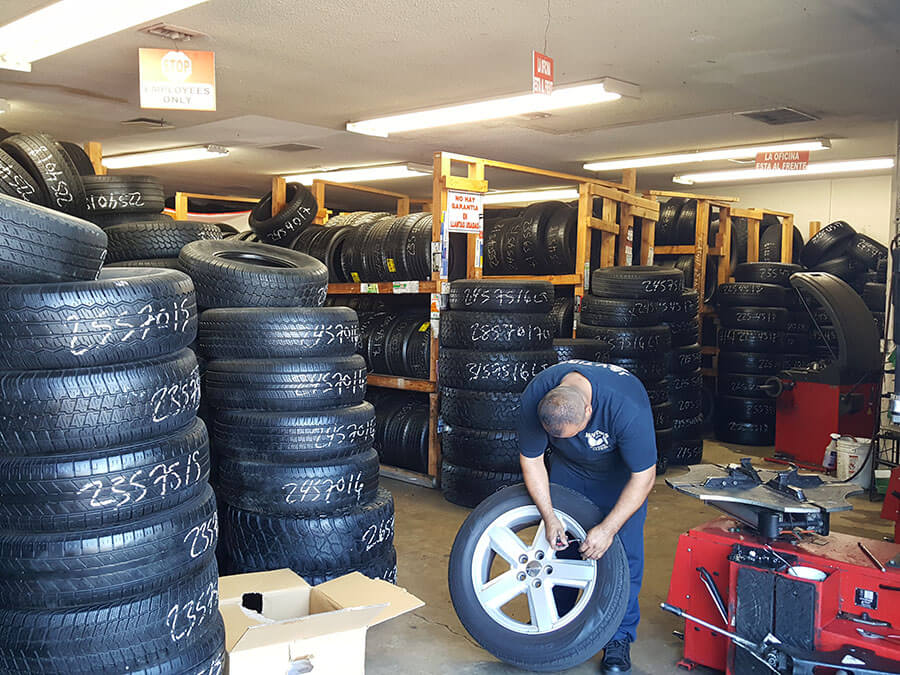
Weather-related tire maintenance encompasses a range of techniques intended at ensuring optimum tire function and long life in various climate scenarios. One essential element of weather-related tire maintenance is tire pressure guideline. Inspecting tire tread frequently and changing tires when walk wear reaches a specific deepness is crucial for preserving traction and stability in unfavorable weather.
Final Thought
To conclude, climate problems have a considerable effect on tire performance and security. From warm impacting tire pressure and put on to winter reducing grip, it is essential to dig this take into consideration the climate when preserving and utilizing tires. Stormy conditions can lower hold and result in hydroplaning, while snow can enhance the threat of crashes if tires are not appropriately furnished. Weather-related tire maintenance is crucial in making certain ideal efficiency and security when driving.
In this conversation, we will discover the elaborate relationship in between weather conditions and tire solution, shedding light on the importance of weather-specific tire maintenance techniques and considerations.